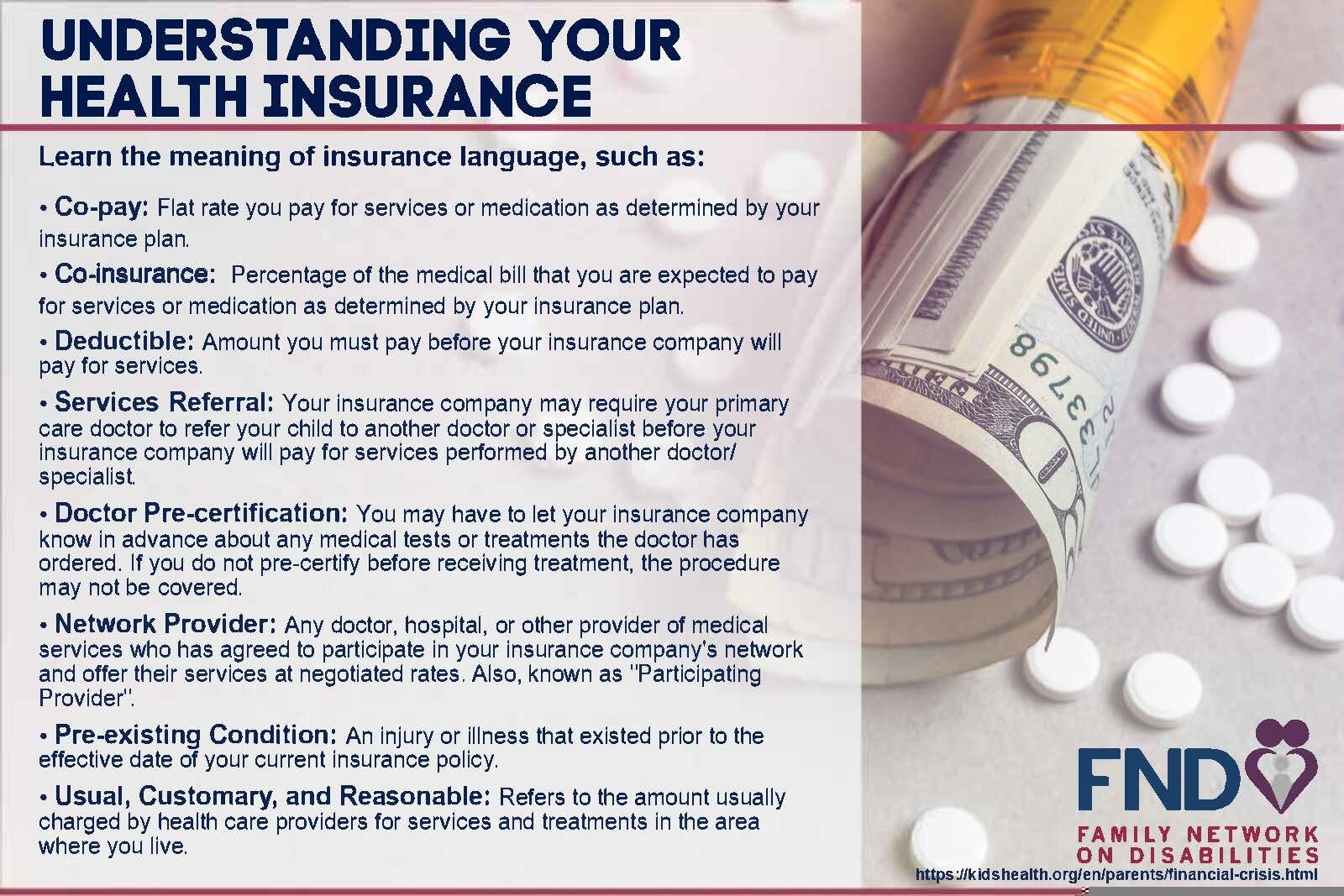
Hey there! Are you a business owner looking for health insurance options for yourself and your employees? Choosing the right health insurance plan for your small business can be a daunting task, but it’s crucial for the well-being of your team. From traditional group health plans to Health Savings Accounts (HSAs), there are various options to consider. Let’s explore some of the health insurance options available for business owners to ensure you make the best choice for your company’s needs.
Benefits of Offering Health Insurance to Employees
As a business owner, providing health insurance to your employees can offer numerous advantages for both you and your staff. One of the primary benefits is that it can help attract and retain top talent. In a competitive job market, offering health insurance can set your business apart from others and make it more appealing to potential employees. Health insurance is a valuable benefit that can improve employee satisfaction and loyalty, leading to higher retention rates and reduced turnover costs.
Additionally, offering health insurance can help improve the overall well-being of your employees. When employees have access to health insurance, they are more likely to seek preventive care and address any health concerns early on. This can lead to healthier employees who are more productive and present at work. By promoting a healthy lifestyle and providing resources for medical care, you can create a positive work environment and support the well-being of your team.
Health insurance can also contribute to a more positive company culture. Providing health insurance demonstrates that you care about the health and wellness of your employees, which can enhance morale and create a sense of community within your organization. Employees who feel supported and valued by their employer are more likely to be engaged and motivated in their work, leading to increased productivity and a stronger team dynamic.
From a financial perspective, offering health insurance can benefit your business as well. Many small business owners worry about the costs of providing health insurance, but the reality is that it can be a tax-deductible expense for your company. In addition, healthier employees can lead to lower healthcare costs in the long run, as preventive care and early intervention can help avoid more expensive medical treatments down the line. By investing in the health and well-being of your employees, you can ultimately save money and improve the financial health of your business.
In conclusion, offering health insurance to your employees can have numerous benefits for your business, including attracting top talent, improving employee well-being, creating a positive company culture, and saving money in the long run. By prioritizing the health and wellness of your team, you can set your business up for success and create a supportive and thriving work environment for everyone involved.
Types of Health Insurance Plans Available for Business Owners
As a business owner, it’s important to understand the different types of health insurance plans available to you and your employees. Here are some of the most common options:
1. Health Maintenance Organization (HMO): HMO plans require members to choose a primary care physician (PCP) who will coordinate all of their healthcare needs. In most cases, members must receive all of their care from providers within the HMO network. Referrals are typically needed to see specialists, and out-of-network care is usually not covered except in emergencies.
2. Preferred Provider Organization (PPO): PPO plans offer more flexibility than HMOs, allowing members to see any healthcare provider they choose. However, using providers within the PPO network will result in lower out-of-pocket costs. Members typically do not need a referral to see a specialist, but out-of-network care will come with higher out-of-pocket expenses.
3. Exclusive Provider Organization (EPO): EPO plans are similar to PPO plans in that they offer flexibility in choosing providers. However, members are typically required to use providers within the EPO network for coverage, with out-of-network care not covered except in emergencies. Referrals are generally not required to see a specialist with an EPO plan.
4. Point of Service (POS): POS plans combine features of both HMO and PPO plans. Members choose a primary care physician within the network and can see specialists without a referral, but will pay less if they stay within the network. Out-of-network care is usually covered, but at a higher cost to the member.
5. High-Deductible Health Plan (HDHP) with Health Savings Account (HSA): HDHPs have lower monthly premiums but higher out-of-pocket costs compared to traditional health plans. They are often paired with HSAs, which allow members to save money tax-free for medical expenses. Employers can contribute to employees’ HSAs, and funds can roll over year to year. HDHPs are a good option for those who want to save on premiums and have the ability to cover higher out-of-pocket costs.
6. Self-Funded Health Insurance: Self-funded health insurance plans are funded by the employer, rather than paying premiums to an insurance company. The employer assumes the financial risk for providing healthcare benefits to employees. Self-funded plans can offer more customization and cost-saving opportunities, but also come with the risk of higher costs if healthcare expenses for employees are unexpectedly high.
It’s important for business owners to carefully consider the needs of their employees and the financial implications of different health insurance plans before making a decision. Consulting with an insurance broker or benefits consultant can help business owners navigate the complex world of health insurance and find the right plan for their company.
Cost Considerations for Small Business Owners Providing Health Insurance
When it comes to providing health insurance for employees, small business owners face a number of cost considerations that can make the decision quite complex. One of the biggest factors that business owners need to take into account is the size of their workforce. The number of employees that need to be covered under the health insurance plan will directly impact the cost of providing coverage. Generally, the larger the workforce, the higher the cost of health insurance premiums.
Another important cost consideration for small business owners is the type of health insurance plan they choose to offer. There are different types of plans available on the market, ranging from traditional fee-for-service plans to managed care plans like HMOs and PPOs. Each type of plan comes with its own set of costs and benefits, and business owners need to carefully evaluate the needs of their workforce to determine which plan will provide the most value for their employees while still being cost-effective for the business.
In addition to the size of the workforce and the type of plan, small business owners also need to consider the overall financial health of their company when determining the cost of providing health insurance. Business owners need to strike a balance between offering competitive benefits to attract and retain top talent and ensuring that the cost of providing those benefits does not put a strain on the company’s bottom line. It is important for business owners to work closely with their insurance broker or agent to analyze their budget and financial goals so they can find a plan that meets their needs without breaking the bank.
Compliance with Healthcare Laws and Regulations for Business Owners
Ensuring compliance with healthcare laws and regulations is crucial for business owners in order to avoid potential legal issues and penalties. There are a variety of laws and regulations that business owners must be aware of in regards to health insurance for their employees.
One of the key laws that business owners need to comply with is the Affordable Care Act (ACA). This law requires certain businesses to provide health insurance to their employees and also sets standards for the coverage that must be offered. Business owners must ensure that their health insurance plans meet the minimum requirements set forth by the ACA in order to avoid fines and penalties.
In addition to the ACA, business owners must also comply with other federal laws such as the Health Insurance Portability and Accountability Act (HIPAA) and the Consolidated Omnibus Budget Reconciliation Act (COBRA). HIPAA sets standards for the privacy and security of health information, while COBRA requires employers to offer temporary continuation of health insurance coverage to employees who lose their job or experience certain qualifying events.
State laws also play a role in healthcare regulations for business owners. Each state has its own laws and regulations regarding health insurance, so business owners must be aware of the specific requirements in the states where they operate. This can include things like minimum coverage requirements, mandated benefits, and regulations around insurance pricing and availability.
Business owners must also stay up to date on any changes to healthcare laws and regulations that could affect their business. Legislation and regulations around healthcare are constantly evolving, so it is important for business owners to regularly review their health insurance plans and make any necessary updates to ensure compliance.
In order to ensure compliance with healthcare laws and regulations, business owners may want to consider working with a healthcare compliance consultant or legal advisor. These professionals can help business owners navigate the complex landscape of healthcare regulations and ensure that their health insurance plans are in compliance with all applicable laws.
Overall, compliance with healthcare laws and regulations is essential for business owners who provide health insurance to their employees. By staying informed about the relevant laws and regulations, business owners can avoid legal issues, penalties, and potential disruptions to their business operations.
Tips for Choosing the Right Health Insurance Provider for Your Business
As a business owner, one of the most important decisions you will make is selecting the right health insurance provider for your employees. There are many factors to consider when choosing a provider, as the health and well-being of your employees should be a top priority. Here are some tips to help you choose the right health insurance provider for your business:
1. Evaluate Your Needs: Before you start your search for a health insurance provider, take some time to evaluate the needs of your business and your employees. Consider factors such as the size of your company, the age and health of your employees, and the coverage options that would best suit your needs.
2. Research Providers: Once you have a good understanding of your needs, start researching different health insurance providers. Look for providers that offer comprehensive coverage, flexible plans, and excellent customer service. Consider reading reviews and asking for recommendations from other business owners in your industry.
3. Compare Costs: Cost is a significant factor when choosing a health insurance provider. Compare the costs of different plans and providers to find one that fits within your budget. Keep in mind that the cheapest option may not always be the best option, as it could result in inadequate coverage for your employees.
4. Check Network Coverage: Make sure the health insurance provider you choose has a broad network of doctors, hospitals, and specialists in your area. This will ensure that your employees have access to quality care when they need it. Consider asking for a list of in-network providers before making a final decision.
5. Consider Additional Benefits: In addition to standard health insurance coverage, some providers offer additional benefits that could be valuable to your employees. Look for providers that offer wellness programs, mental health support, telemedicine services, and other perks that can help improve the overall well-being of your team. These additional benefits can make a significant difference in the satisfaction and productivity of your employees.
Choosing the right health insurance provider for your business is a decision that should not be taken lightly. Consider the needs of your employees, research different providers, compare costs, check network coverage, and consider additional benefits before making a final decision. By taking the time to select the right provider, you can ensure that your employees have access to quality healthcare and support for their well-being.